Crusader Kings III: Silk & Silver Economy & Districts
The free 1.21 Florin rebuild every CK3 player must learn.
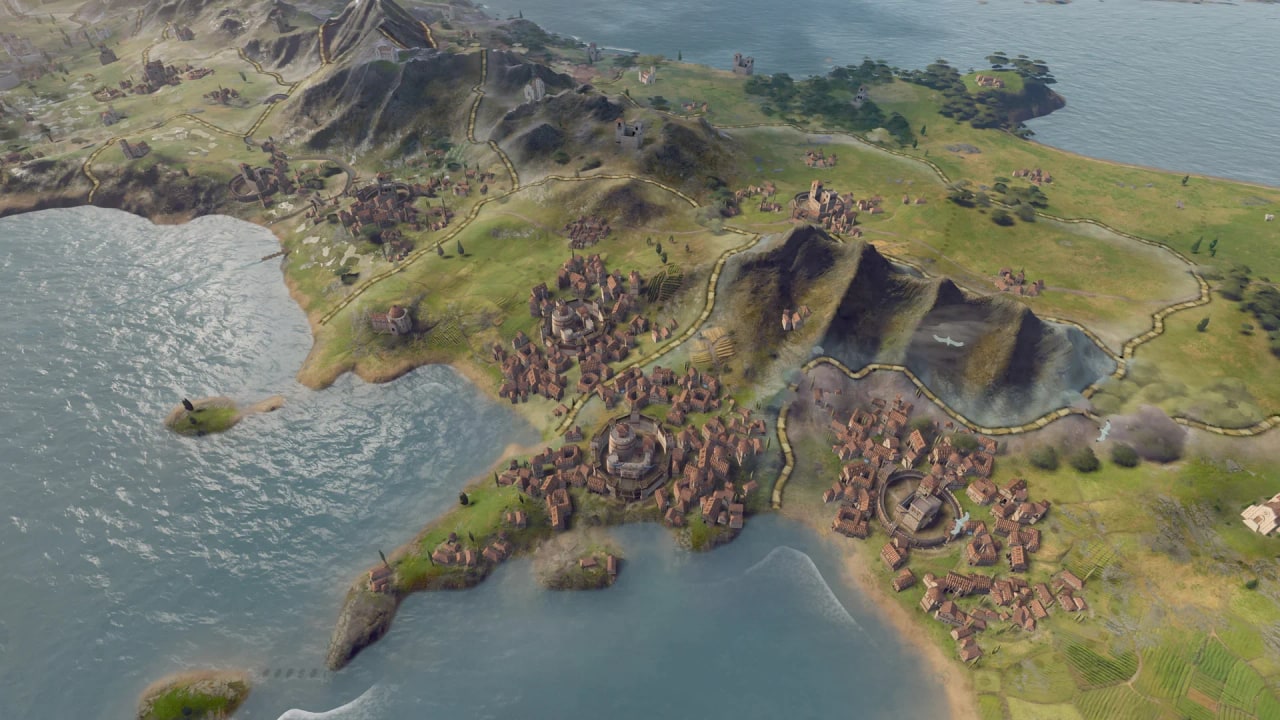
Update 1.21 Florin ships free with Crusader Kings III: Silk & Silver and rebuilds the medieval economy for every owner, whether or not you buy the expansion. Regular building chains give way to district slots. Trade goods feed building needs. Roads carry commerce. Prosperity and market surplus replace older development habits. This guide explains what changed and how feudal, merchant, and republic players should adapt.
Paradox positioned Florin as a total economic overhaul. Live file summaries for 1.21 describe dozens of district types, roughly 44 trade goods, and hundreds of rebuilt building chains with costs, effects, and needs. Special buildings largely remain, often with retuned effects. Read this alongside trade routes and patch notes.
Districts instead of classic buildings
Counties now expose district slots such as military, market, urban, and rural categories. You place a district first, then construct cheaper buildings inside it. The design makes cities feel distinct: a river market town should not build like a fortress highland. Plan slots around the goods your holdings actually produce and the needs your army or civic ambitions create.
Because buildings consume goods, a pretty tax stack can stall if the local Market never supplies timber, stone, fabric, or metal. Check surplus before upgrading. The trade goods tool helps you remember category families when a tooltip feels opaque.
Trade goods and needs
Goods are no longer flavor text. Production, consumption, and Market balances drive Profit Routes for Merchants and income quality for landed rulers. If your realm sits on a surplus of salt or wool, invite trade or build processing districts that convert that surplus into lasting bonuses. If you run chronic deficits on military inputs, expect higher buy prices and slower army recovery during wars.
Feudal rulers who ignore Markets still feel Florin. Toll income, road tiers, and building uptime now depend on peaceful commerce. Sieges do not only burn buildings; they scramble the Market your recovery plan assumed was stable.
Roads and map movement of wealth
Roads gain tiers from traffic and grant Route Length bonuses to commercial actors. Neglect decays tiers. For landed players, that means protecting key corridors is economic policy, not just army pathing. For Merchants, road investment multiplies every future route. For Republics, road-fed posts and leagues become force multipliers — see the republic guide.
Prosperity, taxes, and planning habits
Development thinking shifts toward prosperity and goods-aware taxation. Live discussions around 1.21 mention more granular tax kinds and payback math that depends on whether a building’s needs are met. Practical habit: before a major construction wave, open the Market view, confirm surplus for required goods, and only then spend the treasury.
Do you need Silk & Silver for this?
No. Districts, goods, roads, and the rebuilt economy are free. Silk & Silver adds the Merchant and Republic fantasy layered on top. You can remain a feudal king and still benefit from understanding Markets. If you want to play the new governments, return to merchant getting started.
Adaptation checklist by playstyle
- Feudal — rebuild capitals with mixed districts; protect roads; use toll policy carefully.
- Merchant — treat districts as demand signals that create profitable deficits.
- Republic — align administration and posts with local production clusters.
- All — re-check system requirements if late-game Markets and pathfinding feel heavier.
Common mistakes after the patch
- Spamming old muscle-memory buildings without districts.
- Ignoring deficits until armies and workshops stall.
- Fighting endless wars on your best trade corridors.
- Assuming DLC purchase is required for goods and roads.
- Moving a merchant company without rebuilding route legality.
Florin is the foundation. Silk & Silver is the fantasy on top. Learn both and every other guide on this wiki becomes easier.
Frequently Asked Questions
Quick answers about Silk & Silver merchants, republics, and trade.
Is the economy overhaul free?
Yes. Update 1.21 Florin is free for all Crusader Kings III owners. Silk & Silver is the paid expansion for Merchants and Republics.
What replaced regular buildings?
District slots. You build a district type first, then place cheaper buildings inside it. Special buildings mostly remain with new effects.
About how many trade goods are there?
Live 1.21 documentation points to roughly 44 trade goods feeding production and building needs.
Should feudal players care about Markets?
Yes. Tolls, goods needs, roads, and prosperity now shape income and army upkeep even if you never open a merchant company.